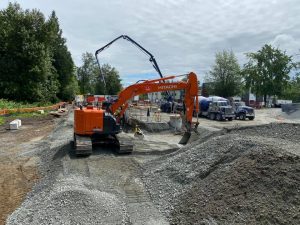
Civil excavation plays a fundamental role in preparing construction sites for various projects. The precision and care taken during excavation directly impact the success and longevity of the structures built on the site. It involves a combination of planning, analysis, equipment operation, and adherence to safety and environmental standards.
Excavation is not just about digging, moving, and removing earth to create a space for construction, infrastructure development, or landscaping. Although this is a crucial phase of construction and development it sets the very foundation for sometimes multiple structures and is essential for ensuring the stability and safety of the built environment. A detailed explanation of civil excavation services will look something like this:
Site Analysis:
Before excavation begins, a thorough analysis of the construction site is conducted. This involves studying the topography, soil composition, and any potential obstacles or hazards.
Excavation Planning:
Excavation plans are developed, considering the project specifications, site conditions, and safety regulations. The plan includes details such as excavation depth, slope angles, and the type of equipment to be used.
Equipment Selection:
Excavation requires specialized equipment based on the nature of the project. Common excavation equipment includes excavators, backhoes, bulldozers, and loaders. The selection depends on factors such as the size of the project, soil conditions, and the depth of excavation.
Clearing and Demolition:
Before digging begins, the site may need clearing of vegetation, removal of existing structures, or demolition of any pre-existing buildings. This phase ensures a clean and safe area for excavation.
Trenching:
Trenching involves digging long, narrow ditches, often for utilities like water pipes, sewage lines, or electrical cables. The depth and width of the trench depend on the specific requirements of the project.
Bulk Excavation:
Bulk excavation is the removal of large volumes of soil to achieve the desired depth and shape of the construction site. This phase sets the groundwork for foundations, basements, or any other sub-surface structures.
Grading and Leveling:
Grading involves adjusting the elevation of the excavated area to meet the specified contours and gradients. This ensures proper drainage and a level foundation for construction.
Shoring and Bracing:
To prevent soil collapse and ensure worker safety, shoring and bracing techniques are employed. This involves using supports such as walls, props, or piles to secure the sides of the excavation.
Dewatering:
In cases where water is present in the excavation site, dewatering techniques are used to remove or control groundwater. This prevents flooding and maintains a stable working environment.
Backfilling:
After construction activities are complete, the excavated area is filled back with soil. This process is called backfilling, and it is crucial for stabilizing the ground and restoring the site to its intended purpose.
Environmental Considerations:
Excavation projects must comply with environmental regulations. Proper disposal of excavated material, erosion control, and other environmental safeguards are implemented to minimize the impact on the surrounding ecosystem.
Safety Measures:
Safety is a top priority in civil excavation services. Measures such as protective barriers, warning signs, and proper training for workers are implemented to prevent accidents and ensure a secure work environment.