- Contact Us Today: (604) 845-0429
Demolition Services - Demolition & Excavation | TCG Contracting
Demolition Services
 Demolition services involve the systematic dismantling, tearing down, or removal of structures, buildings, or other man-made constructions. This process is carried out for varying purposes, such as making space for new construction, removing unsafe structures, or repurposing land.
Any type of demolition will involve a combination of careful planning, adherence to regulations, and the use of specialized equipment to dismantle structures safely and efficiently. These specific projects require expertise in structural engineering, environmental regulations, and safety protocols to ensure a successful and responsible outcome. Responsible demolition practices prioritize recycling and sustainability, minimizing environmental impact while preparing the site for future development.
Considerations must include:
Demolition services involve the systematic dismantling, tearing down, or removal of structures, buildings, or other man-made constructions. This process is carried out for varying purposes, such as making space for new construction, removing unsafe structures, or repurposing land.
Any type of demolition will involve a combination of careful planning, adherence to regulations, and the use of specialized equipment to dismantle structures safely and efficiently. These specific projects require expertise in structural engineering, environmental regulations, and safety protocols to ensure a successful and responsible outcome. Responsible demolition practices prioritize recycling and sustainability, minimizing environmental impact while preparing the site for future development.
Considerations must include:
Pre-Demolition Assessment:
Before any demolition project begins, a thorough assessment of the structure is conducted. This includes evaluating the building’s construction materials, structural integrity, potential environmental hazards (such as asbestos or lead), and the surrounding environment.Permitting and Regulation Compliance:
Demolition projects typically require permits from local authorities. Demolition service providers ensure that all necessary permits are obtained and that the project complies with safety, environmental, and zoning regulations.Hazardous Material Abatement:
If the structure being demolished contains hazardous materials such as asbestos or lead-based paint, specialized abatement procedures are implemented to safely remove or mitigate these substances before the actual demolition begins.Utility Disconnect:
Before demolition, utilities such as water, gas, electricity, and sewage are disconnected to ensure the safety of workers and prevent damage to surrounding infrastructure.Structural Demolition Methods:
Various methods are employed to dismantle structures, including:- Implosion: Controlled explosives are strategically placed to bring down a structure in a controlled manner.
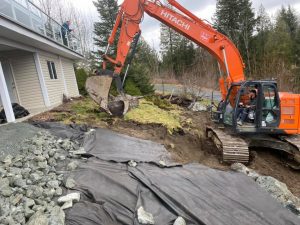
- Mechanical Demolition: Heavy machinery such as excavators, bulldozers, and cranes are used to tear down the structure systematically.
- Selective Demolition: Specific parts of a structure are removed while preserving other elements for renovation or reuse.